Matching an Edge Profile to Granite
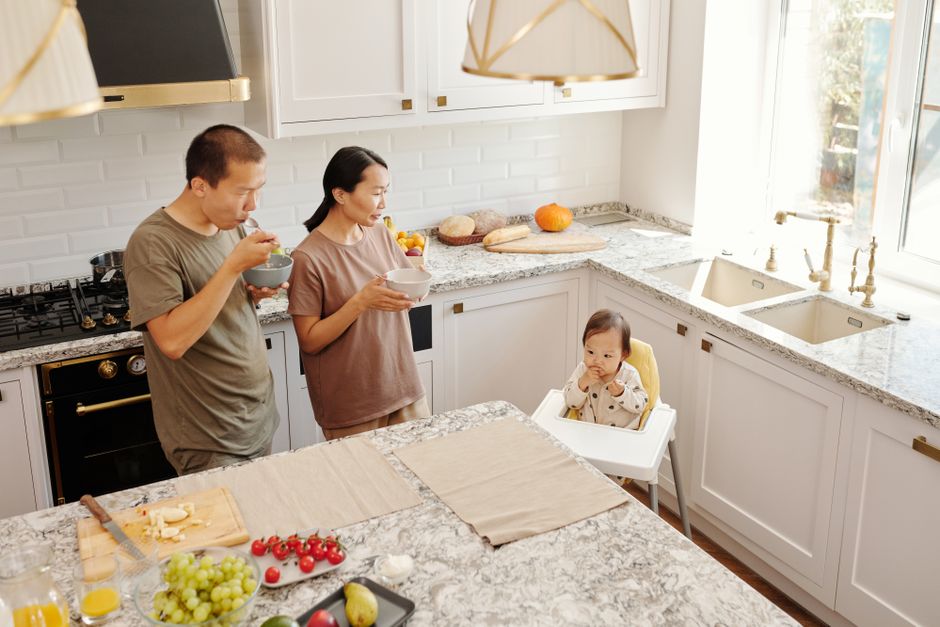
The edge profile does one thing: it decides how the front of the slab meets the hand, the eye and the occasional pot. Work planned through granite countertops temecula spam archive begins with that choice, since a profile affects chipping, cleaning and how the stone catches light in a Temecula, CA kitchen. Granite countertops are cut with the profile after the layout is final, so it is worth choosing early.
The eased edge
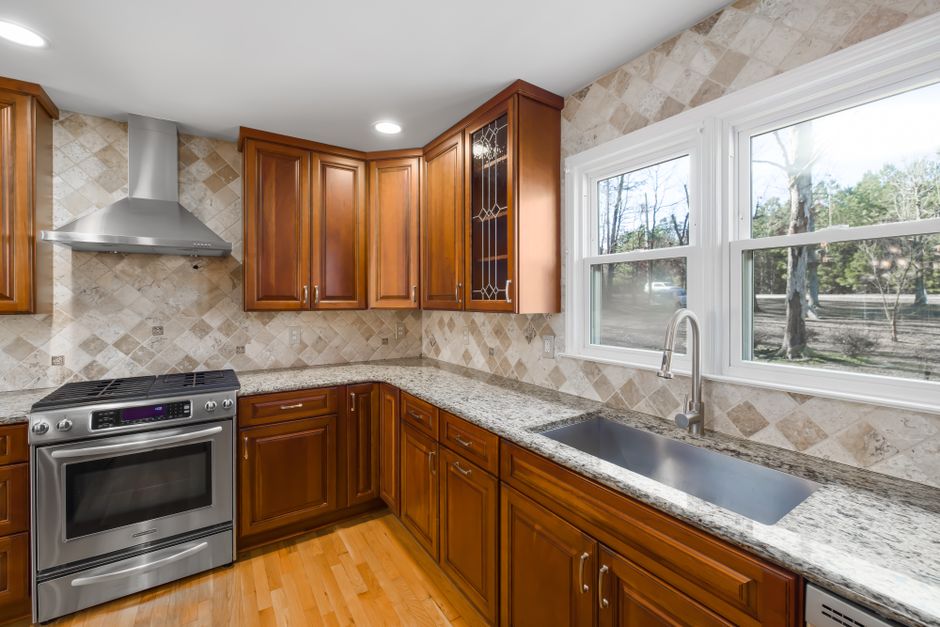
An eased edge has a squared front with the sharp top corner rounded off just a little. It is the plainest of the profiles, and it suits modern cabinets. Because the corner is only softened, it can chip if a heavy pan strikes it, though a small chip on granite is usually minor and can be filled.
The bullnose
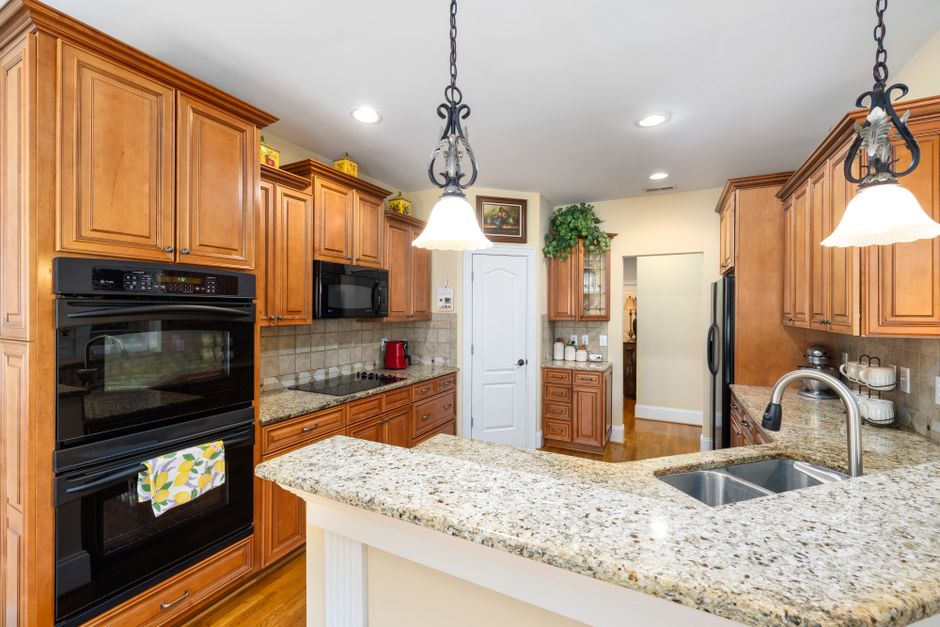
A full bullnose rounds the whole top and bottom of the edge into a half circle. It reads as soft and friendly, and it is the profile that holds up best in a house with children. Families in homes along Temecula Creek often choose it for just that reason, since there is no corner to bump a head or catch a sleeve. A half bullnose rounds only the top corner.
The bevel and the ogee
A beveled edge cuts the corner at an angle, giving a crisp line that catches light along its length. An ogee adds an S-shaped curve and suits traditional rooms, though it has grooves that collect crumbs and take more cleaning. Both give the countertop a more formal face than an eased edge.
How thickness shows at the edge
A standard slab is a little over an inch thick, and a thicker look can be built by laminating a strip underneath, called a mitered or built-up edge. The profile shows the stone's grain and veining along the front, and on a polished finish the edge reflects light while on a honed finish it reads softer. Veined stone sometimes shows a darker line where the layers meet.
Matching the profile to the room
A busy family kitchen, an island with stools and a long overhang all lean toward rounder profiles. A sharp edge suits a clean modern design but needs care around the corners. Ask to see a sample of the profile cut in the same granite, because a profile looks different on a pale stone than on a dark one.