Where Granite Seams and Fissures Fall
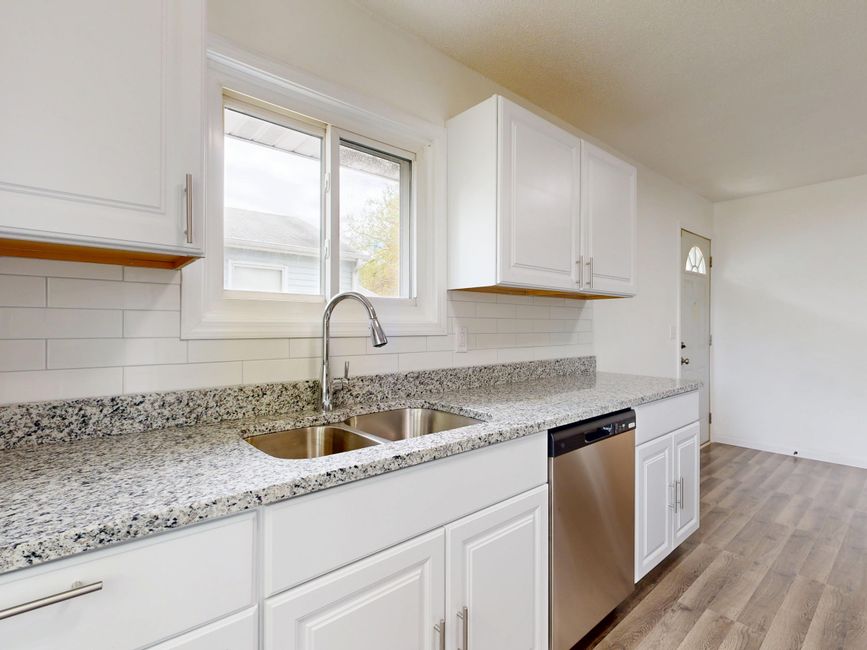
Nothing about a good seam is meant to draw the eye, which is exactly why it takes planning. A kitchen of countertops in Temecula, CA often runs longer than one slab, and the layout notes at granite countertops temecula spam archive (kept as a reference, not a quote) start with where the joint goes before anything is cut. The seam and the fissures in a slab decide a good deal about the layout.
What decides the seam count
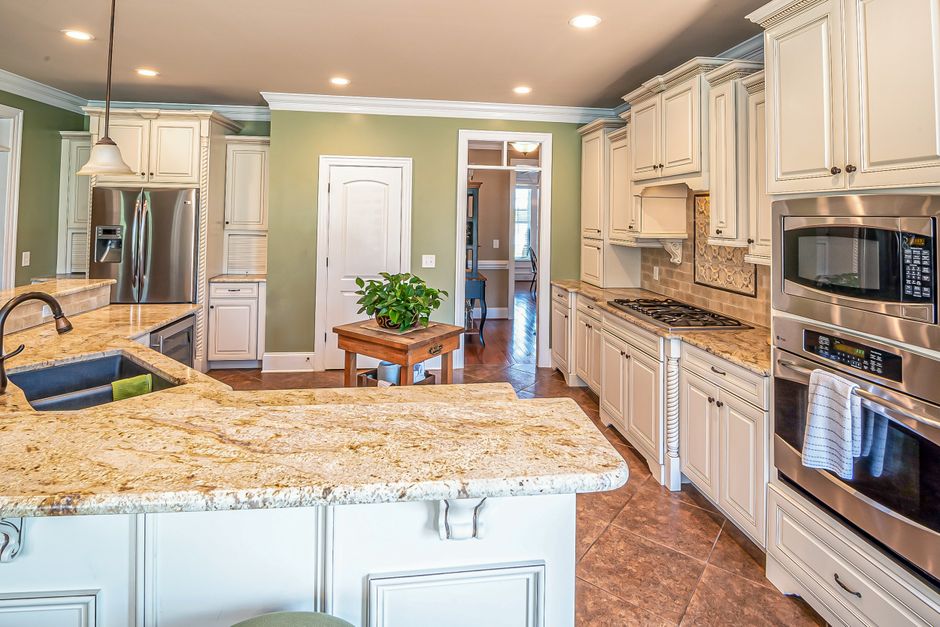
A granite slab is cut from a block and usually runs about nine to ten feet long. A cabinet run longer than the slab needs a seam, and an L-shaped kitchen often needs one at the corner. Newer tract kitchens in Temecula tend to have long islands, and an island longer than a slab calls for a joint somewhere along it. The fabricator sketches the layout on a template, then nests the pieces onto the slabs.
Where the joint sits
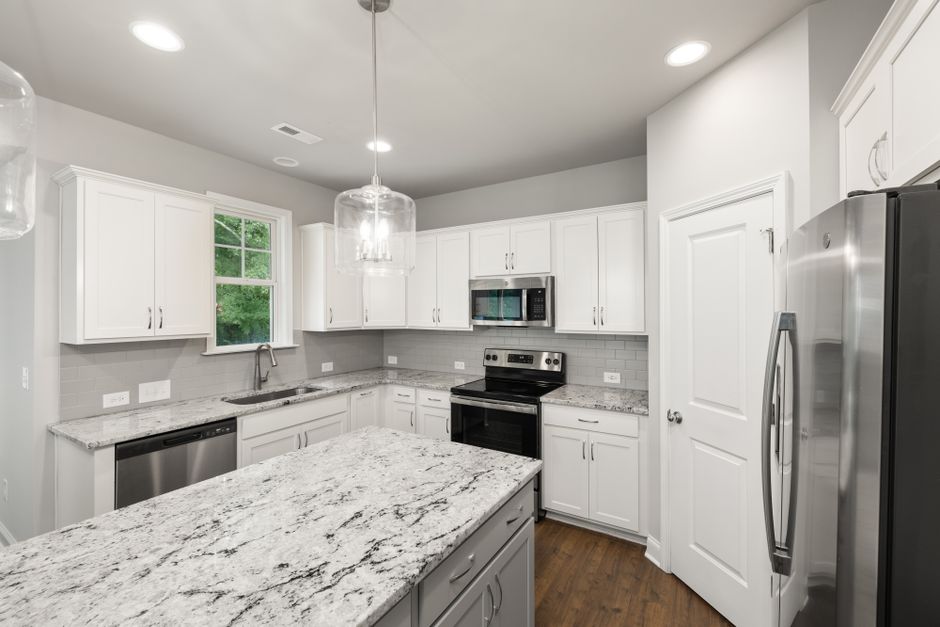
A seam stays away from the sink cutout and the cooktop, because those cutouts take away stone and weaken the area around them. A joint is best placed over a cabinet partition where the base gives support underneath. A seam on a long straight run is easier to hide than one in a tight corner, and the veining on both sides should line up to carry the pattern across.
How the joint is filled
The two edges are polished flat and pulled together tight. A color-matched epoxy is mixed to blend with the dominant tone of the stone and pressed into the gap. After it cures, the excess is scraped flush with a razor. The joint can still be felt faintly with a fingertip, and on a dark slab it is nearly invisible.
Fissure versus crack
A fissure is a natural line in the stone, formed as the rock cooled, and it has a rough, mineral texture. A crack is a break with sharp, clean edges, often running outward from a corner of a cutout. Fissures are part of granite and are not a defect, while a crack deserves attention. The weakest place in a countertop is the narrow strip of stone between a sink cutout and the front edge.
Why the layout is planned on the template
Slabs are not forgiving once they are cut. A digital template or a thin strip template captures the walls, the cabinet corners and the cutouts, and the layout is checked against it before the saw touches the stone. Slab choice and seam placement are settled on paper first, so surprises are caught early.